New Trends in Translation: Evolving Roles of the Translator
In recent years, the field of translation studies has undergone significant changes due to technological developments, globalization, and new forms of communication. These changes have led to the emergence of new professional roles within the field. Translators are no longer expected to work solely with traditional written texts; instead, they increasingly work in areas related to technology, digital media, and specialized content.

The changing role of the translator has become clear through discussions on recent developments in the field. In the past, translators were mainly expected to produce an accurate target text based on source text. Today, however, this is no longer the case. Translators often work in different roles, such as post-editing, machine translation, localization, terminology management, or language consultancy. This shows that translators are now expected to have not only strong language skills but also an awareness of technology and artificial intelligence.
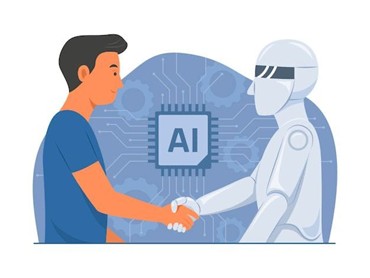
Another key development in translation is the use of machine translation and artificial intelligence. These tools do not replace translators but change how the translation process works. The rise of post-editing shows that human input is still essential, especially for meaning, context, and cultural differences. For this reason, translators are now expected to understand and work with technological tools. Today, successful translation depends on the effective use of both human skills and technology.
Translation has also expanded into new areas such as audiovisual translation, game localization, and digital content. In these fields, translators need to think about more than just language, including timing, audience expectations, and visual elements. This shows that translation is no longer a one-dimensional task but a process that combines technical skills with creative decisions.
In brief, recent developments show that translation is a field that is constantly changing and expanding. These changes that we discussed throughout our New Trends in Translation course at Karadeniz Technical University Department of Western Languages and Literature highlight how new technologies and emerging areas have reshaped both translation practices and professional roles. For translation students, being aware of these changes is important, as it helps them better understand the demands of today’s translation profession and prepare themselves for its future.
Visual References
- https://www.freepik.com/premium-vector/human-robot-shaking-hand_30252861.htm?epik=dj0yJnU9Z0xsTFNhVEd2dDFsYVpNZGtycy1zVHFjYk04MlJsY0kmcD0wJm49SDFJNXpmV0VTRXN0c2lMSkotaW92QSZ0PUFBQUFBR2xVTWww
- https://chatgpt.com/s/m_69543ea477688191bdf51d2d4e6fa466
AI Use
- AI was used for language checking.